Useful Links from the January 2017 Observing Talk

Links for the leap second mention at tonight’s The Sky this Month:

…and for the International Occultation Timing Association. The focus of the IOTA has shifted from grazes to pure occultations where the double-ness of a star can be measured. In some cases this is the only way to know the star is a double.

To see how eclipse totality duration varies depending on observing locations see this page with detailed contour maps:


Photo Credit: Mercury Transit – Bill Tekatch

Links for Observation Planning

In my talk and articles, I have often referred to certain free web resources which are useful observing planning tools.

These web pages allow you to locate items of interest in the sky, which vary (such as the location and brightness of asteroids) or are best observed from certain places on earth (such as eclipse paths).

Continue Reading

Sad News

Roger Burrough, the owner of Hamilton’s Camtech Photo & The Scope Shop, has passed away. Roger was a longtime supporter of the local astronomy community and we will miss him very much.

Visitation & services are this Saturday. Details can be found here.

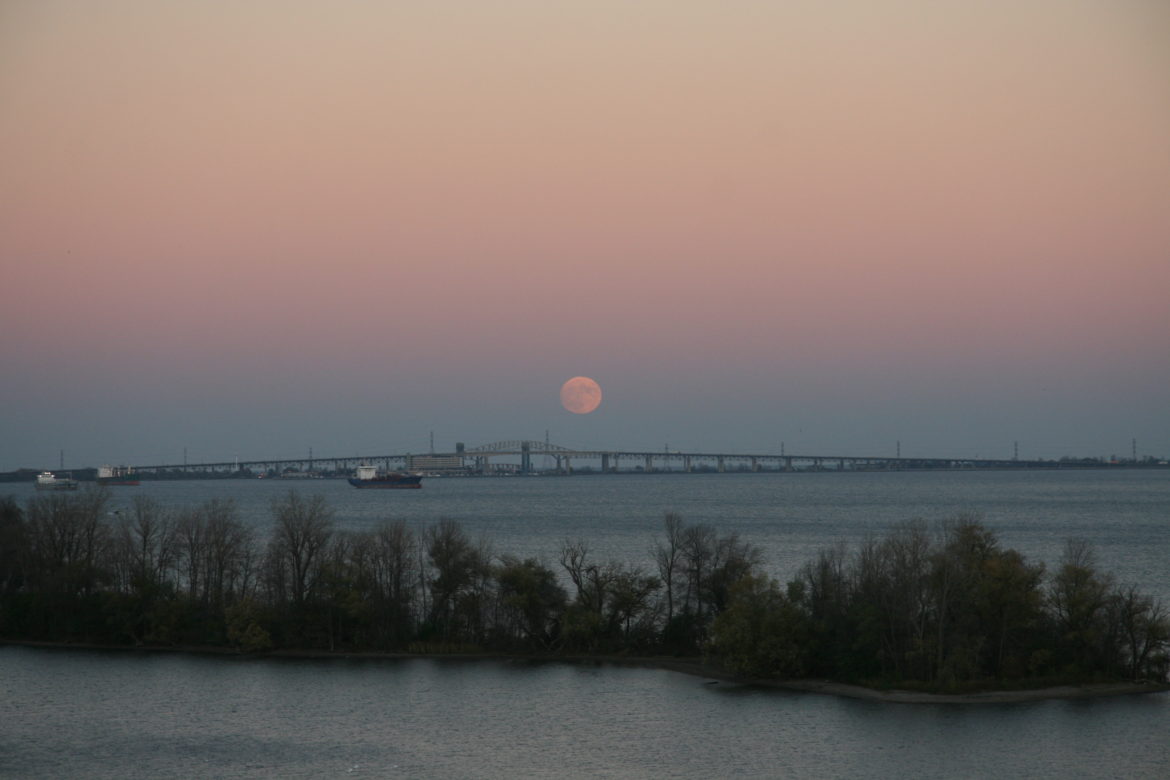
Super Duper Moon Moonrise today at 4:48 PM

The azimuth for today’s Moonrise is 75 degrees: that is, 15 degrees North of Due East. You will be able to see it from Hamilton and Burlington out over lake Ontario. Bring your compass and you will catch it as it first peeks up. At 98.9 percent full, it’s already pretty super.

Continue Reading

M20

September 2016 Event Horizon Newsletter

The September issue of the Hamilton Amateur Astronomers Event Horizon newsletter is now available for download!

In this issue you’ll find…

  • The Sky this Month
  • AstroCATS Report
  • Oh Me, Let’s Get Metaphysical
  • Eye Candy
  • Cartoon Corner
  • Upcoming McCallion Planetarium Shows
  • Upcoming Events

Download your copy from the newsletters section.

Photo credit: M20 – the Trifid Nebula, by Matthew Mannering

Vega Spectroscopy

Amateur Spectroscopy

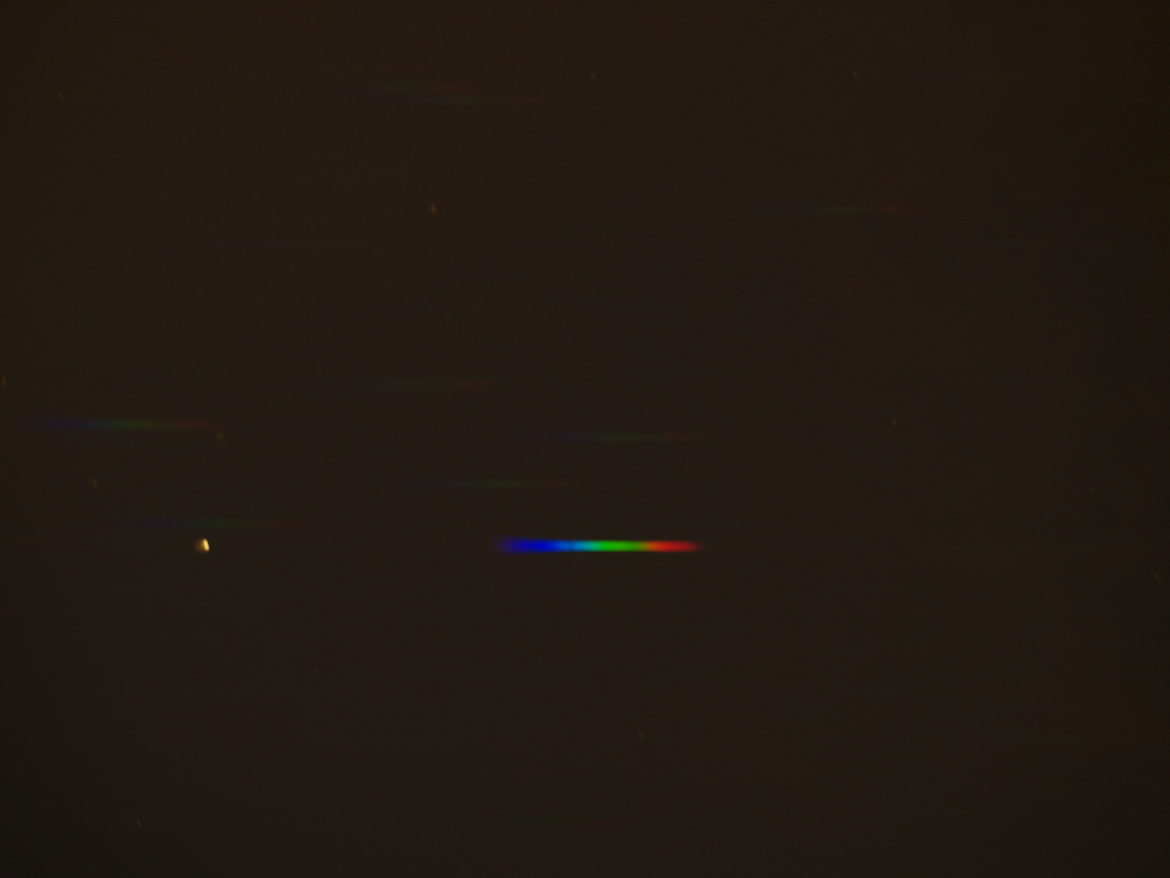
These two pictures are ‘astro images’ of the star Vega which is found in the constellation Lyra (The Harp), one of the most prominent night sky asterisms from early Greek and Roman civilization and culture. It is also one of the brightest objects in the night sky after the Sun, Moon, Venus and the star, Sirius.

Until about the beginning of the 20th century, all astronomy, including professional studies, was basically descriptive and hand-drawn from hours of work spent at the eyepieces of a given telescope. However, since it was not going to go any further in this direction, it remained for astronomers like Henry Norris Russell and others to move astronomical studies into the realms of physics and emerging interpretations of Nature and the Universe such as Quantum Mechanics and the General and Special Theories of Relativity.

Continue Reading

Binbrook Conservation Area

Telescopes and Astronomy with the Hamilton Amateur Astronomers

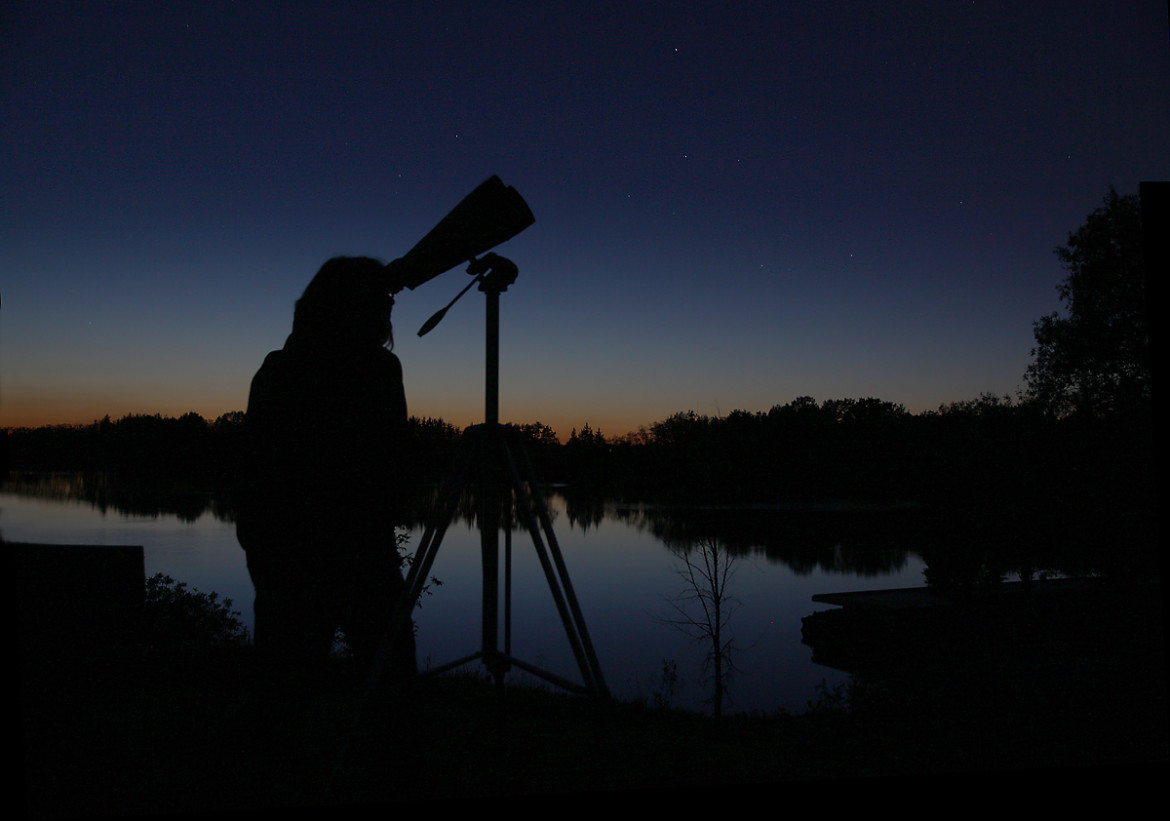
A group of the Hamilton Amateur Astronomers got together for an evening of stargazing at the Binbrook Conservation Area, our “dark sky” site away from the lights of Hamilton. Observing at the park is available to all members of the club and offers a friendly atmosphere to observe the cosmos, chat with other club members and learn about astronomy.

I arrived at the park shortly after 9:30pm to see other members already setup and waiting for high-level clouds to pass. This evening we met at the boat launch area which provides a large level gravel parking lot with which to setup. We’re also right next to the reservoir which offers added photographic opportunities if taking a break from the telescope.

With Ontario going through hot daytime temperatures and low rainfall the evening hovered around a pleasant 26°C with no sign of mosquitoes or other pests. As I unpacked my gear heat-lightning put on a show over the southern horizon with fast sequences of flashes attracting excitement from the crowd of observers.

Continue Reading

Anniversary Moon

Here is an image of the full Moon from last night. Actually taken just past midnight, so lets say it was taken on July 20th, 47 years to the day after Apollo 11 first landed on the Moon.

This image is actually several images that I hand stitched together. My regular old DSLR camera was shooting through my 5″ class refractor. The camera was set to ISO400 and the exposure time was 1/400th of a second.  The version seen here has had contrast adjustments made and been reduced in file size.

Continue Reading

Great Astro Apps for your Smart Phone

1960’s Star Trek could only imagine the power we wield today with our smart phones and the amount of information available at our fingertips. I’m never far from my phone, dawning it from my pocket whenever I need a bit of information or to access some tool for a task at hand. Somewhat akin to Mr. Spock’s tricorder, using astronomy apps I can point my phone at the cosmos and see what star is in view, when the International Space Station will cross the sky or predict upcoming aurora. Here is a list of some of the apps I use and while I’ll be focusing on iOS apps, many of these or similar are also available for Android and other platforms.

Be it under a night sky or riding the train home from work, Aurora Forecast provides up-coming aurora predictions and includes a 3D view of the Earth showing exactly where the aurora is presently visible. Added details such as solar wind speed and density help provide a complete picture which can be fascinating on its own even if the aurora is not visible.

Continue Reading

Cheers for some great members!

I just wanted to offer congratulations to a few members for a great job well done.

I have really enjoyed Bruce Pawlett’s recent articles in the newsletter. Having submitted now for three months in a row he is at risk of becoming a regular feature in the Event Horizon! His topics have been diverse, and I enjoyed all his work and look forward to more in the future. Well done, and thanks Bruce!

Our own webmaster, David T., is also our calendar editor this year, and although the calendar is advertised right here on our website, there is little mention of a great newspaper article that featured the calendar and its editor. David did put a link to the article below the notice (look a few blog posts below this one), but was clearly too modest to say more, and although it was briefly refered to in the newsletter, there was no information on the article, name or link provided. I say well done David and very glad to see some well deserved recognition! The calendar is hard work (I know!) and David did a great job this year. And, as you can see by heading to the following website to see the article, it was picked up by a number of newspapers, including the Hamilton Spectator. http://www.thespec.com/news-story/6202926-hamilton-amateur-astronomer-calendar-tells-you-when-to-watch-the-night-skies/

Finally, although certainly not deserving of last place, a personal nod to Alex Tekatch for creating a cartoon for the newsletter each and every month for over 6 straight years now! Aside from being one of my favourite features in the newsletter, Alex has quietly become perhaps out longest running contributor! Well done Alex! I enjoy the Cartoon Corner each and every month!