Hi All
A small band of the keener group traveled down to Cherry Springs P.A. for their Star Party. 9 intrepid star hoppers in all Steve G. and Kerry H. led off leaving on Wednesday to save camping spots for the rest and get an extra night. Thursday AM. they were followed by Ann T. Jackie F. John G. Ed S.and Jim W.,later that day we were joined by Glenn & Gail M. Shortly after arriving we made ourselves a light dinner of hot dogs and set up camp. We then eagerly awaited sunset. As the stars came out and the skies got darker, we were all “blown away” by the sheer number of stars in this pristine Dark Sky Preserve. I’m not going to go into the full description of all that we saw, I will leave that to more eloquent writers. Suffice it to say it was Magnificent!!!!!! The weather on the following days was not so co-operative, but we still had a wonderful time as we always do when we are together. This is just a lead-off blog to get things started. Others will post their comments and pictures shortly.
_______________________________________________________________________
From John
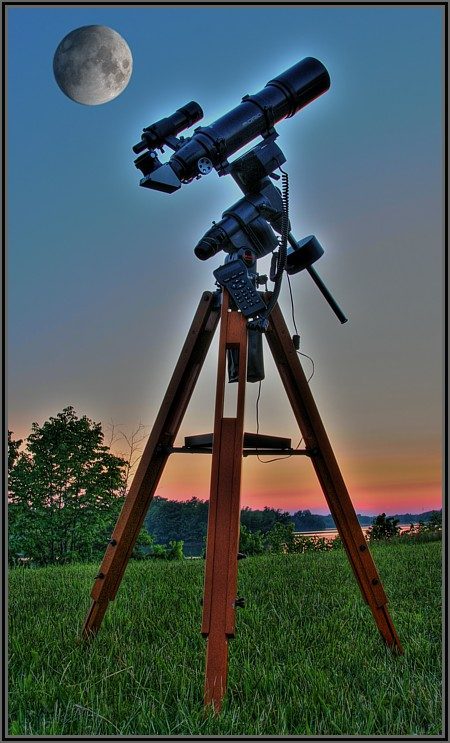
I put my little 80mm scope to good use and saw some wide field views of the North American Nebula, the Veil Nebula (all 3 parts at once!), the startling bright star clouds of the Milky Way and the nebulae of Sagittarius. Other scopes provided me with stunning views of the spiral arms of M51 and a view through a 32″ scope belonging to a good fellow from Long Island, New York gave a picture-like view of M13. Breathtaking all! The remote location and altitude of 2400 feet provided a spectacularly dark sky and binocular views were equally stunning. I ended my one clear night by just lying on the ground and soaking in the vista of the night sky, one of the best views of all.
During the day good conversation was to be found with many other visitors from New York City, Boston and the many small towns of America. One, now know as Cookie Sue, walked from site to site providing cookies for all those in attendance and was happy to count herself as an honourary HAA member. She left the star party proudly wearing a Canadian flag pin. Although not so openly displayed, many of us left with an equal sense cameraderie with the new friends we made. In the end though, the best of times was thanks to the company of the great group of people from the HAA. Some of them will have astrophotos from the beautiful skies of Cherry Springs, but here are a few daytime images.
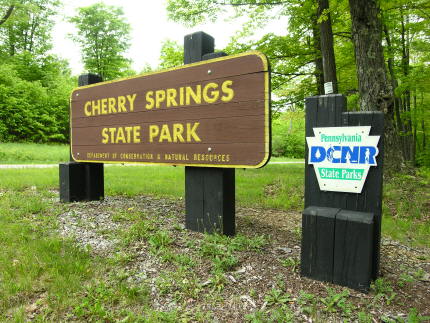
Welcome to the Cherry Springs Star Party!
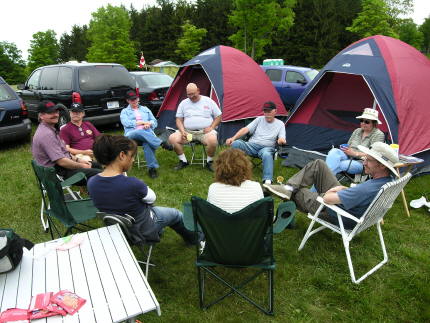
HAA members Steve, Jackie, Jim, Ed, Ann, Glenn, Gail and Kerry. Visitor Roger has joined the best group at the star party, and John can be seen behind the camera. Oh, wait…
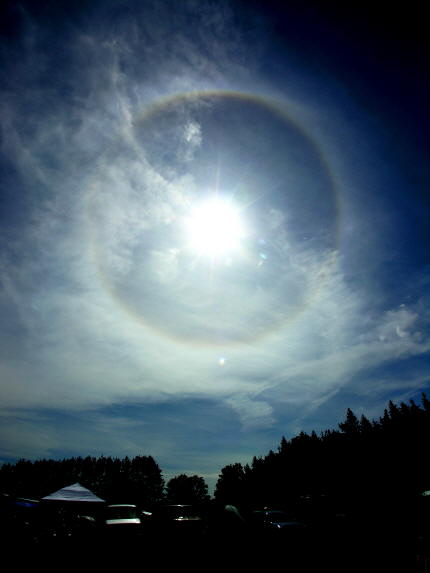
We were treated to a beautiful solar halo on Friday morning.
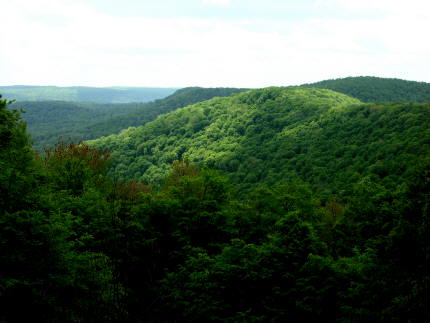
The beautiful Alleghany mountains of Pennsylvania, home of the Cherry Springs Star Party.
______________________________________________________________________________
Update By KerryLH
What a wonderful opportunity to observe at this very dark sky site with some fantastic members of the HAA. I arrived early because I wanted to take advantage of the clear weather during the mid-week. I brought along my entire AP office, the 12in LB (FFI) and all my camping gear. I attached a few picks below of targets that I have really longed to image under really dark skies. With the help of my Astronomik CLS clip filter on my unmodded DSLR, I was able to bring out some really faint red Hydrogen Alpha.
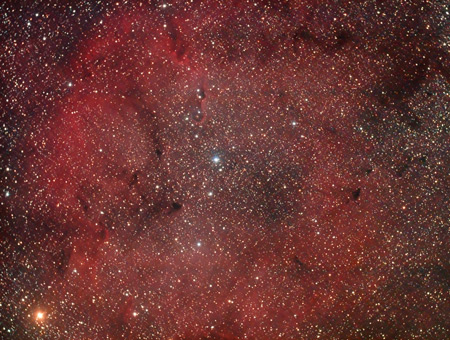
Elephant trunk Nebula (IC 1396), Garnet Star Nebula: A large faint emission nebula in Cepheus imaged with the 80mm scope (425mm fl @f5)
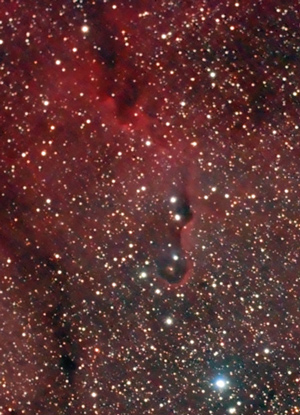
…with a crop showing the elephant trunk
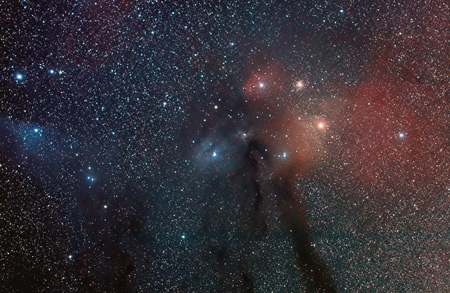
Rho Ophuchus: a large region of very colourful nebulosity around Antares and M4 in Scorpio. I imaged this on the second night with my 100mm lens.
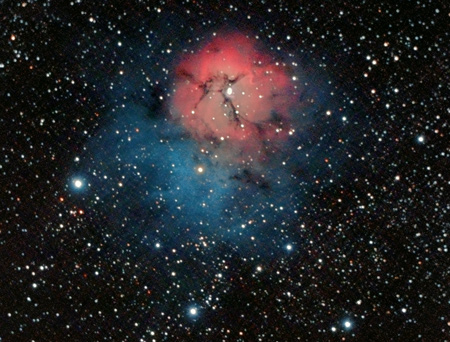
Trifid Nebula (M20): only 4x5min taken with the c6 SCT.
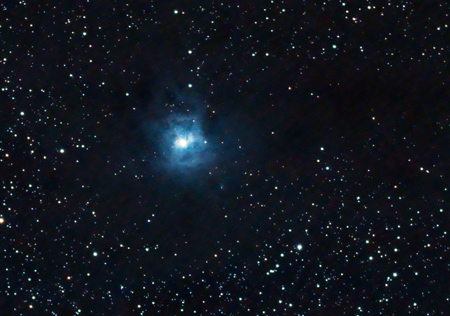
Iris Nebula (NGC7023) : This one is very very faint. I will probably add more stacks to it over time so that I can show the very large and interesting dust cloud surrounding this star.
Link to higher resolution versions are in my latest image gallery
http://www.weatherandsky.com/main.php?g2_view=core.ShowItem&g2_itemId=101&g2_enterAlbum=1